Here are some of the most frequently asked questions we get from customers about car finance. Whether you’re just getting started or need help understanding your agreement, we aim to give clear, honest, and straightforward answers. Our goal is to make car finance as simple.
Yes, you can apply for used Skoda finance through AutoMoney Trust.
Skoda offers a broad selection of cars on the used market. These range from models such as the Fabia and Octavia to larger options including the Superb, Kamiq and Kodiaq, giving you a choice of hatchbacks, estates, saloons and SUVs.
You can start exploring your finance options even if you haven't decided which Skoda to buy. This can give you an idea of your potential finance options before narrowing your search to a particular model.
Whether your eligible will depend on factors including your personal circumstances, affordability and the vehicle itself. You can use the finance calculator to see example monthly repayments and explore how changing the vehicle price, deposit or term could affect them.
Finance is subject to status and our lending criteria and vehicle criteria.
The main difference is that with Hire Purchase (HP) you own the vehicle at the end of the agreement, whereas Personal Contract Purchase (PCP) includes an optional final balloon payment if you want to keep the car.
With Hire Purchase, you repay the full value of the vehicle through fixed monthly payments and become the owner once all payments and any option to purchase fee have been paid.
With PCP, monthly payments are usually lower because you are paying towards only part of the vehicle's value. At the end of the agreement, you can pay the balloon payment also known as a final payment) to keep the vehicle, return it, or choose another available option.
One of the main differences between HP and PCP finance is how ownership and mileage work. PCP agreements often include annual mileage limits and potential charges if the vehicle exceeds the agreed mileage or is returned with damage outside normal wear and tear. Hire purchase does not usually have mileage restrictions, making it a popular option for drivers who want flexibility and the certainty of owning the vehicle at the end of the agreement.
AutoMoney Trust offers hire purchase car finance only, providing customers buying used cars a straightforward agreement, fixed monthly payments, and the reassurance that they can own their vehicle once the agreement is completed.
Yes, an AutoMoney Trust hire purchase agreement includes a £199 admin fee as well as a £10 option to purchase fee, which is paid alongside your final monthly payment if you decide to keep the vehicle at the end of your agreement. This fee allows ownership of the car to transfer to you once all payments have been completed.
All applicable fees are clearly explained in your car finance agreement, so you can understand the costs involved before entering into a hire purchase agreement.
Additional charges may apply if payments are missed, including reminder letter fees or default interest. These charges are designed to cover the costs associated with managing missed payments and are detailed in our arrears fees and default interest schedule.
Unlike some finance providers, AutoMoney Trust does not charge early repayment fees if you choose to settle your agreement ahead of schedule. If you are considering paying off your car finance early, you can contact us to discuss your options and understand any settlement figure that may apply.
Yes, if you finance your car with AutoMoney Trust, you'll need to maintain fully comprehensive insurance for the entire duration of your hire purchase agreement. This is because the vehicle remains the property of AutoMoney Trust until you've made your final repayment and ownership transfers to you.
Comprehensive car insurance provides protection against a range of situations, including accidental damage, theft, fire and third-party claims. Keeping the vehicle insured for the full duration of your agreement helps protect both you and the lender by ensuring the car remains covered throughout the finance term.
When budgeting for a financed car, it is important to consider insurance as part of your overall running costs. Fully comprehensive cover is often more expensive than third party or third party fire and theft insurance, so make sure you include this alongside your monthly finance payments, fuel, servicing, and other vehicle expenses.
Some drivers also consider GAP insurance, which can help cover the difference between your insurer's settlement value if the vehicle is written off and the remaining balance on your car finance agreement when the outstanding balance may be higher than the vehicle's market value.
No, AutoMoney Trust does not charge early repayment fees on its hire purchase finance agreements, meaning you can complete your car finance settlement without paying additional penalty charges.
Whether you want to pay off your finance early, reduce your monthly commitments or sell your vehicle, settling your agreement ahead of schedule can provide greater financial flexibility and may reduce the overall cost of borrowing. To better understand how interest affects the total amount you repay, read our guide on what APR means in car finance.
If you're considering early settlement on car finance, you may be entitled to an interest rebate. Under the Consumer Credit Act 1974, customers who repay their hire purchase agreement early generally do not pay all of the interest that would have been charged over the remaining term. This reduces the total amount payable compared with continuing your monthly repayments until the end of the agreement.
If you would like to arrange a car finance settlement, you can request a settlement figure from AutoMoney Trust. This shows the total amount required to repay your finance agreement in full, taking into account any applicable interest rebate. Your settlement figure is valid for 28 days, giving you time to review the amount and decide whether early settlement is right for you.
Settlement policies can vary between lenders. While AutoMoney Trust does not charge early repayment fees, some providers may apply early settlement charges or calculate interest rebates differently. Before choosing to pay off your car finance early, always check the terms of your agreement and understand how your settlement amount has been calculated.
If you are considering a car finance settlement because you want to sell a financed car or part exchange your vehicle, our guide on Selling a Financed Car explains the process, what happens with outstanding finance, and the options available.
The best Skoda to finance depends largely on how much space you actually need and whether you prefer a conventional car or an SUV.
The Skoda Fabia is the compact choice in the range and can work well for everyday driving where a larger car isn't necessary. Moving up to the Octavia gives you considerably more passenger and luggage space, with hatchback and estate versions making it a versatile option for everything from commuting to family use.
The Skoda Superb goes further, prioritising interior room and long-distance comfort. Its generous rear passenger and boot space may appeal to drivers who regularly travel with adults, carry plenty of luggage or simply want a larger car without choosing an SUV.
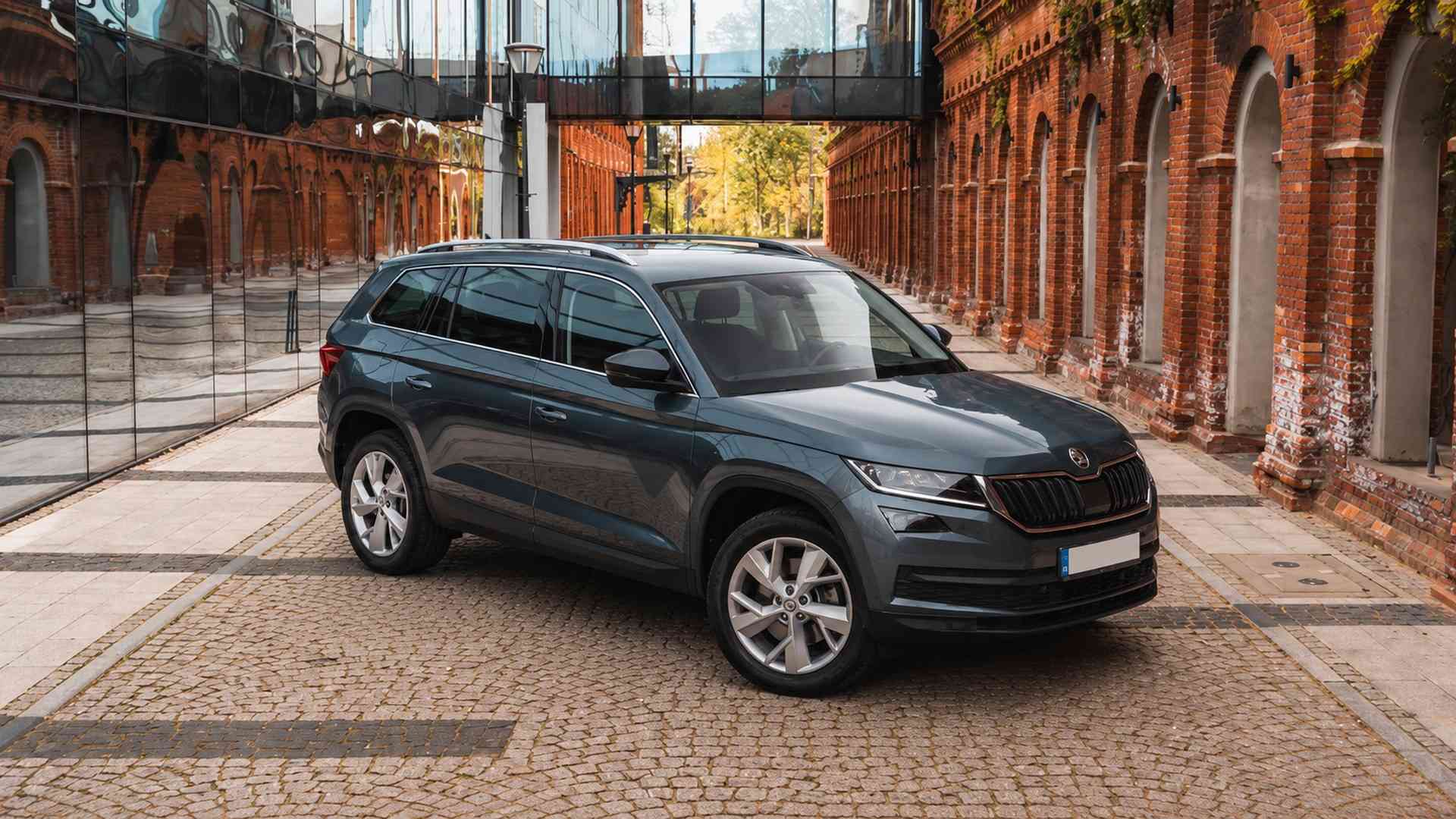
If an SUV is your preference, the Skoda Kamiq provides a more compact option that's easier to accommodate in everyday driving. The Kodiaq sits at the other end of the range, offering substantially more room and, on certain versions, seating for up to seven people.
When choosing a Skoda to finance, think about whether you'll genuinely use the additional space of a larger model. The best used Skoda isn't necessarily the biggest one within your budget, but the one whose size and layout fir the way you'll use it most often.
The main difference is that with Hire Purchase (HP) you own the vehicle at the end of the agreement, whereas Personal Contract Purchase (PCP) includes an optional final balloon payment if you want to keep the car.
With Hire Purchase, you repay the full value of the vehicle through fixed monthly payments and become the owner once all payments and any option to purchase fee have been paid.
With PCP, monthly payments are usually lower because you are paying towards only part of the vehicle's value. At the end of the agreement, you can pay the balloon payment also known as a final payment) to keep the vehicle, return it, or choose another available option.
One of the main differences between HP and PCP finance is how ownership and mileage work. PCP agreements often include annual mileage limits and potential charges if the vehicle exceeds the agreed mileage or is returned with damage outside normal wear and tear. Hire purchase does not usually have mileage restrictions, making it a popular option for drivers who want flexibility and the certainty of owning the vehicle at the end of the agreement.
AutoMoney Trust offers hire purchase car finance only, providing customers buying used cars a straightforward agreement, fixed monthly payments, and the reassurance that they can own their vehicle once the agreement is completed.
Yes, an AutoMoney Trust hire purchase agreement includes a £199 admin fee as well as a £10 option to purchase fee, which is paid alongside your final monthly payment if you decide to keep the vehicle at the end of your agreement. This fee allows ownership of the car to transfer to you once all payments have been completed.
All applicable fees are clearly explained in your car finance agreement, so you can understand the costs involved before entering into a hire purchase agreement.
Additional charges may apply if payments are missed, including reminder letter fees or default interest. These charges are designed to cover the costs associated with managing missed payments and are detailed in our arrears fees and default interest schedule.
Unlike some finance providers, AutoMoney Trust does not charge early repayment fees if you choose to settle your agreement ahead of schedule. If you are considering paying off your car finance early, you can contact us to discuss your options and understand any settlement figure that may apply.
Yes, if you finance your car with AutoMoney Trust, you'll need to maintain fully comprehensive insurance for the entire duration of your hire purchase agreement. This is because the vehicle remains the property of AutoMoney Trust until you've made your final repayment and ownership transfers to you.
Comprehensive car insurance provides protection against a range of situations, including accidental damage, theft, fire and third-party claims. Keeping the vehicle insured for the full duration of your agreement helps protect both you and the lender by ensuring the car remains covered throughout the finance term.
When budgeting for a financed car, it is important to consider insurance as part of your overall running costs. Fully comprehensive cover is often more expensive than third party or third party fire and theft insurance, so make sure you include this alongside your monthly finance payments, fuel, servicing, and other vehicle expenses.
Some drivers also consider GAP insurance, which can help cover the difference between your insurer's settlement value if the vehicle is written off and the remaining balance on your car finance agreement when the outstanding balance may be higher than the vehicle's market value.
No, AutoMoney Trust does not charge early repayment fees on its hire purchase finance agreements, meaning you can complete your car finance settlement without paying additional penalty charges.
Whether you want to pay off your finance early, reduce your monthly commitments or sell your vehicle, settling your agreement ahead of schedule can provide greater financial flexibility and may reduce the overall cost of borrowing. To better understand how interest affects the total amount you repay, read our guide on what APR means in car finance.
If you're considering early settlement on car finance, you may be entitled to an interest rebate. Under the Consumer Credit Act 1974, customers who repay their hire purchase agreement early generally do not pay all of the interest that would have been charged over the remaining term. This reduces the total amount payable compared with continuing your monthly repayments until the end of the agreement.
If you would like to arrange a car finance settlement, you can request a settlement figure from AutoMoney Trust. This shows the total amount required to repay your finance agreement in full, taking into account any applicable interest rebate. Your settlement figure is valid for 28 days, giving you time to review the amount and decide whether early settlement is right for you.
Settlement policies can vary between lenders. While AutoMoney Trust does not charge early repayment fees, some providers may apply early settlement charges or calculate interest rebates differently. Before choosing to pay off your car finance early, always check the terms of your agreement and understand how your settlement amount has been calculated.
If you are considering a car finance settlement because you want to sell a financed car or part exchange your vehicle, our guide on Selling a Financed Car explains the process, what happens with outstanding finance, and the options available.
Skodas aren't necessarily expensive to run, and many models are designed with everyday practicality in mind. However, the cost of owning one can vary considerably depending on its age, previous use and specification.
Used Octavias and Superbs are popular with drivers who cover longer distances, so mileage is worth considering alongside age. A higher-mileage car isn't automatically a poor choice, but it may be closer to needing age, or mileage-related maintenance, than a less heavily used example.
Practicality can influence costs too. A Kodiaq provides considerably more space than a Fabia, but its larger tyres and additional size can make some replacement items more expensive. Choosing a larger car than you actually need could therefore increase your ongoing costs unnecessarily.
It's also worth looking beyond the badge when comparing two used Skodas. Different engines, wheel sizes and equipment levels within the same model can result in different fuel, insurance and maintenance costs.
If you're considering Skoda car finance, work out what you're likely to spend on the individual vehicle rather than relying on an average figure for the brand. well-maintained Fabia used for local journeys and a high-mileage Kodiaq used for family travel can have very different ownership costs.
The main difference is that with Hire Purchase (HP) you own the vehicle at the end of the agreement, whereas Personal Contract Purchase (PCP) includes an optional final balloon payment if you want to keep the car.
With Hire Purchase, you repay the full value of the vehicle through fixed monthly payments and become the owner once all payments and any option to purchase fee have been paid.
With PCP, monthly payments are usually lower because you are paying towards only part of the vehicle's value. At the end of the agreement, you can pay the balloon payment also known as a final payment) to keep the vehicle, return it, or choose another available option.
One of the main differences between HP and PCP finance is how ownership and mileage work. PCP agreements often include annual mileage limits and potential charges if the vehicle exceeds the agreed mileage or is returned with damage outside normal wear and tear. Hire purchase does not usually have mileage restrictions, making it a popular option for drivers who want flexibility and the certainty of owning the vehicle at the end of the agreement.
AutoMoney Trust offers hire purchase car finance only, providing customers buying used cars a straightforward agreement, fixed monthly payments, and the reassurance that they can own their vehicle once the agreement is completed.
Yes, an AutoMoney Trust hire purchase agreement includes a £199 admin fee as well as a £10 option to purchase fee, which is paid alongside your final monthly payment if you decide to keep the vehicle at the end of your agreement. This fee allows ownership of the car to transfer to you once all payments have been completed.
All applicable fees are clearly explained in your car finance agreement, so you can understand the costs involved before entering into a hire purchase agreement.
Additional charges may apply if payments are missed, including reminder letter fees or default interest. These charges are designed to cover the costs associated with managing missed payments and are detailed in our arrears fees and default interest schedule.
Unlike some finance providers, AutoMoney Trust does not charge early repayment fees if you choose to settle your agreement ahead of schedule. If you are considering paying off your car finance early, you can contact us to discuss your options and understand any settlement figure that may apply.
Yes, if you finance your car with AutoMoney Trust, you'll need to maintain fully comprehensive insurance for the entire duration of your hire purchase agreement. This is because the vehicle remains the property of AutoMoney Trust until you've made your final repayment and ownership transfers to you.
Comprehensive car insurance provides protection against a range of situations, including accidental damage, theft, fire and third-party claims. Keeping the vehicle insured for the full duration of your agreement helps protect both you and the lender by ensuring the car remains covered throughout the finance term.
When budgeting for a financed car, it is important to consider insurance as part of your overall running costs. Fully comprehensive cover is often more expensive than third party or third party fire and theft insurance, so make sure you include this alongside your monthly finance payments, fuel, servicing, and other vehicle expenses.
Some drivers also consider GAP insurance, which can help cover the difference between your insurer's settlement value if the vehicle is written off and the remaining balance on your car finance agreement when the outstanding balance may be higher than the vehicle's market value.
No, AutoMoney Trust does not charge early repayment fees on its hire purchase finance agreements, meaning you can complete your car finance settlement without paying additional penalty charges.
Whether you want to pay off your finance early, reduce your monthly commitments or sell your vehicle, settling your agreement ahead of schedule can provide greater financial flexibility and may reduce the overall cost of borrowing. To better understand how interest affects the total amount you repay, read our guide on what APR means in car finance.
If you're considering early settlement on car finance, you may be entitled to an interest rebate. Under the Consumer Credit Act 1974, customers who repay their hire purchase agreement early generally do not pay all of the interest that would have been charged over the remaining term. This reduces the total amount payable compared with continuing your monthly repayments until the end of the agreement.
If you would like to arrange a car finance settlement, you can request a settlement figure from AutoMoney Trust. This shows the total amount required to repay your finance agreement in full, taking into account any applicable interest rebate. Your settlement figure is valid for 28 days, giving you time to review the amount and decide whether early settlement is right for you.
Settlement policies can vary between lenders. While AutoMoney Trust does not charge early repayment fees, some providers may apply early settlement charges or calculate interest rebates differently. Before choosing to pay off your car finance early, always check the terms of your agreement and understand how your settlement amount has been calculated.
If you are considering a car finance settlement because you want to sell a financed car or part exchange your vehicle, our guide on Selling a Financed Car explains the process, what happens with outstanding finance, and the options available.
Before financing a used Skoda, consider how the particular car may have been used by its previous owners. Models such as the Octavia and Superb are well suited to long-distance driving, so look beyond the vehicle's age and consider whether its mileage and condition suggest it has covered a significant number of motorway or business miles.
Practical Skodas can also spend much of their lives carrying passengers and luggage. On estate models, inspect the boot area, folding seats and interior trim for excessive wear or damage and make sure features you expect to use regularly operate correctly.
If you're considering a Kodiaq, check the seating configuration carefully, particularly if you need seven seats, as specifications can differ between vehicles. Look at the condition and operation of the rear seats and make sure the available luggage space still meets your needs when they're in use.
The exact engine and gearbox are worth identifying before you buy. Check what maintenance is required for that particular combination and whether the vehicle's records show that relevant work has been completed at the appropriate intervals.
Before applying for Skoda car finance, make sure the car's previous use, specification and maintenance record match what you expect from the individual vehicle.
The main difference is that with Hire Purchase (HP) you own the vehicle at the end of the agreement, whereas Personal Contract Purchase (PCP) includes an optional final balloon payment if you want to keep the car.
With Hire Purchase, you repay the full value of the vehicle through fixed monthly payments and become the owner once all payments and any option to purchase fee have been paid.
With PCP, monthly payments are usually lower because you are paying towards only part of the vehicle's value. At the end of the agreement, you can pay the balloon payment also known as a final payment) to keep the vehicle, return it, or choose another available option.
One of the main differences between HP and PCP finance is how ownership and mileage work. PCP agreements often include annual mileage limits and potential charges if the vehicle exceeds the agreed mileage or is returned with damage outside normal wear and tear. Hire purchase does not usually have mileage restrictions, making it a popular option for drivers who want flexibility and the certainty of owning the vehicle at the end of the agreement.
AutoMoney Trust offers hire purchase car finance only, providing customers buying used cars a straightforward agreement, fixed monthly payments, and the reassurance that they can own their vehicle once the agreement is completed.
Yes, an AutoMoney Trust hire purchase agreement includes a £199 admin fee as well as a £10 option to purchase fee, which is paid alongside your final monthly payment if you decide to keep the vehicle at the end of your agreement. This fee allows ownership of the car to transfer to you once all payments have been completed.
All applicable fees are clearly explained in your car finance agreement, so you can understand the costs involved before entering into a hire purchase agreement.
Additional charges may apply if payments are missed, including reminder letter fees or default interest. These charges are designed to cover the costs associated with managing missed payments and are detailed in our arrears fees and default interest schedule.
Unlike some finance providers, AutoMoney Trust does not charge early repayment fees if you choose to settle your agreement ahead of schedule. If you are considering paying off your car finance early, you can contact us to discuss your options and understand any settlement figure that may apply.
Yes, if you finance your car with AutoMoney Trust, you'll need to maintain fully comprehensive insurance for the entire duration of your hire purchase agreement. This is because the vehicle remains the property of AutoMoney Trust until you've made your final repayment and ownership transfers to you.
Comprehensive car insurance provides protection against a range of situations, including accidental damage, theft, fire and third-party claims. Keeping the vehicle insured for the full duration of your agreement helps protect both you and the lender by ensuring the car remains covered throughout the finance term.
When budgeting for a financed car, it is important to consider insurance as part of your overall running costs. Fully comprehensive cover is often more expensive than third party or third party fire and theft insurance, so make sure you include this alongside your monthly finance payments, fuel, servicing, and other vehicle expenses.
Some drivers also consider GAP insurance, which can help cover the difference between your insurer's settlement value if the vehicle is written off and the remaining balance on your car finance agreement when the outstanding balance may be higher than the vehicle's market value.
No, AutoMoney Trust does not charge early repayment fees on its hire purchase finance agreements, meaning you can complete your car finance settlement without paying additional penalty charges.
Whether you want to pay off your finance early, reduce your monthly commitments or sell your vehicle, settling your agreement ahead of schedule can provide greater financial flexibility and may reduce the overall cost of borrowing. To better understand how interest affects the total amount you repay, read our guide on what APR means in car finance.
If you're considering early settlement on car finance, you may be entitled to an interest rebate. Under the Consumer Credit Act 1974, customers who repay their hire purchase agreement early generally do not pay all of the interest that would have been charged over the remaining term. This reduces the total amount payable compared with continuing your monthly repayments until the end of the agreement.
If you would like to arrange a car finance settlement, you can request a settlement figure from AutoMoney Trust. This shows the total amount required to repay your finance agreement in full, taking into account any applicable interest rebate. Your settlement figure is valid for 28 days, giving you time to review the amount and decide whether early settlement is right for you.
Settlement policies can vary between lenders. While AutoMoney Trust does not charge early repayment fees, some providers may apply early settlement charges or calculate interest rebates differently. Before choosing to pay off your car finance early, always check the terms of your agreement and understand how your settlement amount has been calculated.
If you are considering a car finance settlement because you want to sell a financed car or part exchange your vehicle, our guide on Selling a Financed Car explains the process, what happens with outstanding finance, and the options available.