Author
Last updated and reviewed - 8 September 2026
What to do if you’ve been refused car finance
If you’ve been refused car finance, it does not necessarily mean you will be declined by every lender. Lenders use different eligibility, credit and affordability criteria, so the first step is to understand why your application may have been unsuccessful before applying again.
After being refused car finance, check your credit report for errors, review your affordability and avoid making several full applications in a short period. You may also be able to use a soft-search eligibility check to explore your options without affecting your credit score. This guide explains common reasons for car finance refusal and what you can do next.
Lenders assess applications based on a combination of credit history, affordability, and their own internal lending criteria. A refusal usually comes down to one or more of the following:
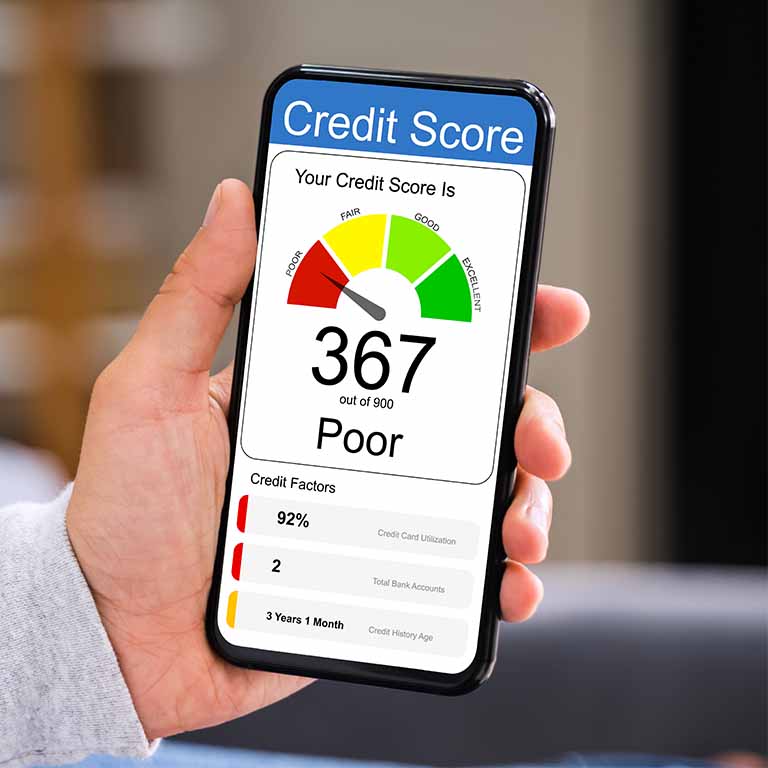
No, being refused car finance does not directly affect your credit score. However, a hard credit search carried out as part of the application will be recorded on your credit file.
A single hard search generally has a relatively small impact on your credit score, but multiple hard searches within a short period can make it appear that you are actively seeking credit and may affect how subsequent lenders assess you. A hard search is visible on your file for 12 months, though its impact on your score fades over time.
This is why it pays to use soft search tools before committing to a full application. A soft search gives you an indication of whether you are likely to be approved without adding another hard search to your file if the answer is no.
AutoMoney Trust uses a soft search at the initial stage of every application. You can check your eligibility on our apply for car finance page without it affecting your credit file.
Yes, being declined by one lender, or even several, does not mean no lender will approve you. Mainstream banks and high street lenders tend to use automated credit scoring that declines anyone who does not meet a set threshold. Specialist lenders and direct lenders take a different approach, looking at your full financial picture rather than relying solely on a credit score.
AutoMoney Trust is a direct lender and considers applications from people with poor credit, CCJs, defaults. For more on what we look at when assessing an application, see our guide on how to apply for car finance.
When you apply for car finance, the lender will typically run a credit check to see your borrowing history, any adverse credit marks, and how much credit you currently have outstanding. Some lenders run a soft search first and only proceed to a hard search if the initial check is positive.
The credit check looks at:
For a full breakdown of how lenders use credit checks and what they are looking for, see our guide on credit checks for car finance.
If you have been refused car finance by several lenders, avoid continuing to make full applications without first understanding why you are being declined.
The options worth considering are:
If poor credit is the main barrier, our guide on car finance with a CCJ covers the specific factors lenders look at and what you can do to improve your chances.
There is no fixed waiting period, but applying again immediately after a refusal and a hard search is rarely the right move. Giving it at least 30 to 60 days allows the impact of the hard search to begin fading and gives you time to address any issues you found on your credit file.
If you are using a soft search tool to check eligibility before applying, you do not need to wait. Soft searches do not affect your file and you can run as many as you like.
Use our car finance calculator in the meantime to work out what loan amount and term would give you a monthly payment that is comfortably within your budget. Going into an application with a realistic figure makes approval more likely.
Car finance can affect your credit score positively or negatively depending on how you manage your agreement. Making regular, on-time payments can help build a positive credit history and demonstrate responsible borrowing, while late or missed payments can negatively affect your credit score and make it more difficult or expensive to access credit in the future.
If payments are not made on time, they may be reported to credit reference agencies, which can lower your credit score and make future borrowing more difficult or potentially more expensive.
A lender may carry out a hard credit search when you apply. Other lenders can see it on your credit report, and it may affect your score. Several hard searches close together may affect how lenders assess you.
For more information about how applications are assessed, read our guide on Credit Checks for Car Finance.
AutoMoney Trust offers a fixed interest rate, so your rate will not rise during the agreement. Your payment schedule is agreed at the start. The first or final payment may be different if it includes a fee, so check the full schedule when planning your budget. With a variable interest rate, the rate and payments may change. Compare the APR, payment schedule and total amount payable before deciding.
The length of your car finance agreement can have a significant impact on both your monthly payments and the total cost of borrowing.
Choosing a longer finance term, such as 60 or 84 months, spreads the cost of the vehicle over a greater number of payments. This can make your monthly payments more affordable, but it may mean you pay more interest overall throughout the agreement.
A shorter car finance term, such as 36 months, usually results in higher monthly payments because the balance is repaid over a shorter period. However, paying the agreement off sooner can reduce the overall amount of interest paid, making it a potentially lower-cost option over the full term.
When choosing the right finance term, it is important to consider your budget, monthly affordability, and how long you plan to keep the vehicle. The best option is one that allows you to comfortably manage your payments without putting unnecessary pressure on your finances.
AutoMoney Trust offers car finance terms from 36 to 84 months, giving you flexibility to choose an agreement that suits your circumstances. Use our car finance calculator to compare different term lengths and understand how your monthly payments and overall costs could change before applying.
Yes, you can end a regulated hire purchase agreement by giving notice before the final payment falls due, while the agreement is still in place. You do not have to wait until you have paid half. You must return the car and may still owe money, including a shortfall towards half the total payable, arrears or charges for failing to take reasonable care of the car. You do not have to clear that balance before giving notice. Ask us for an itemised calculation. If you have paid more than half, voluntary termination does not refund the extra payments.