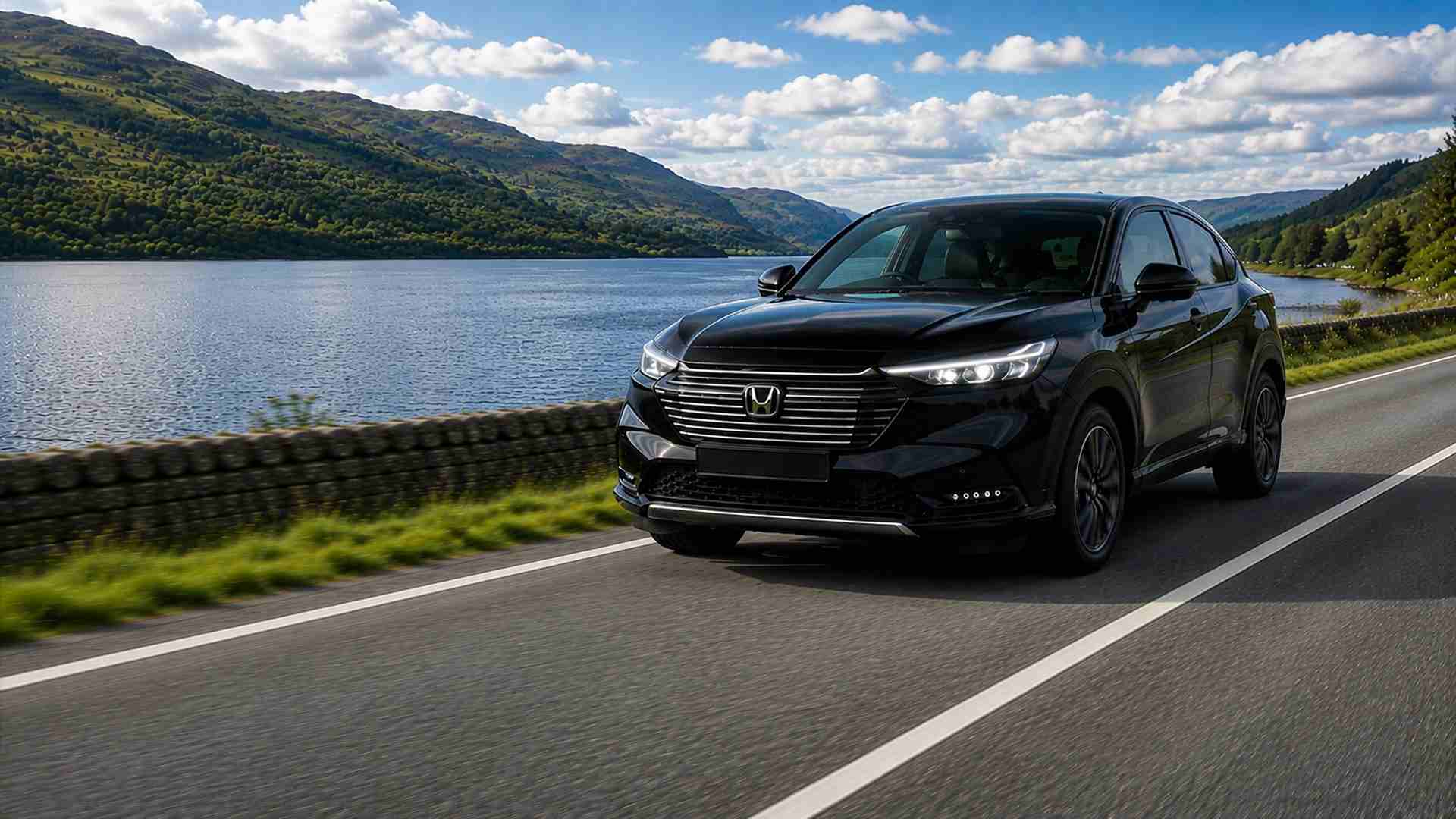
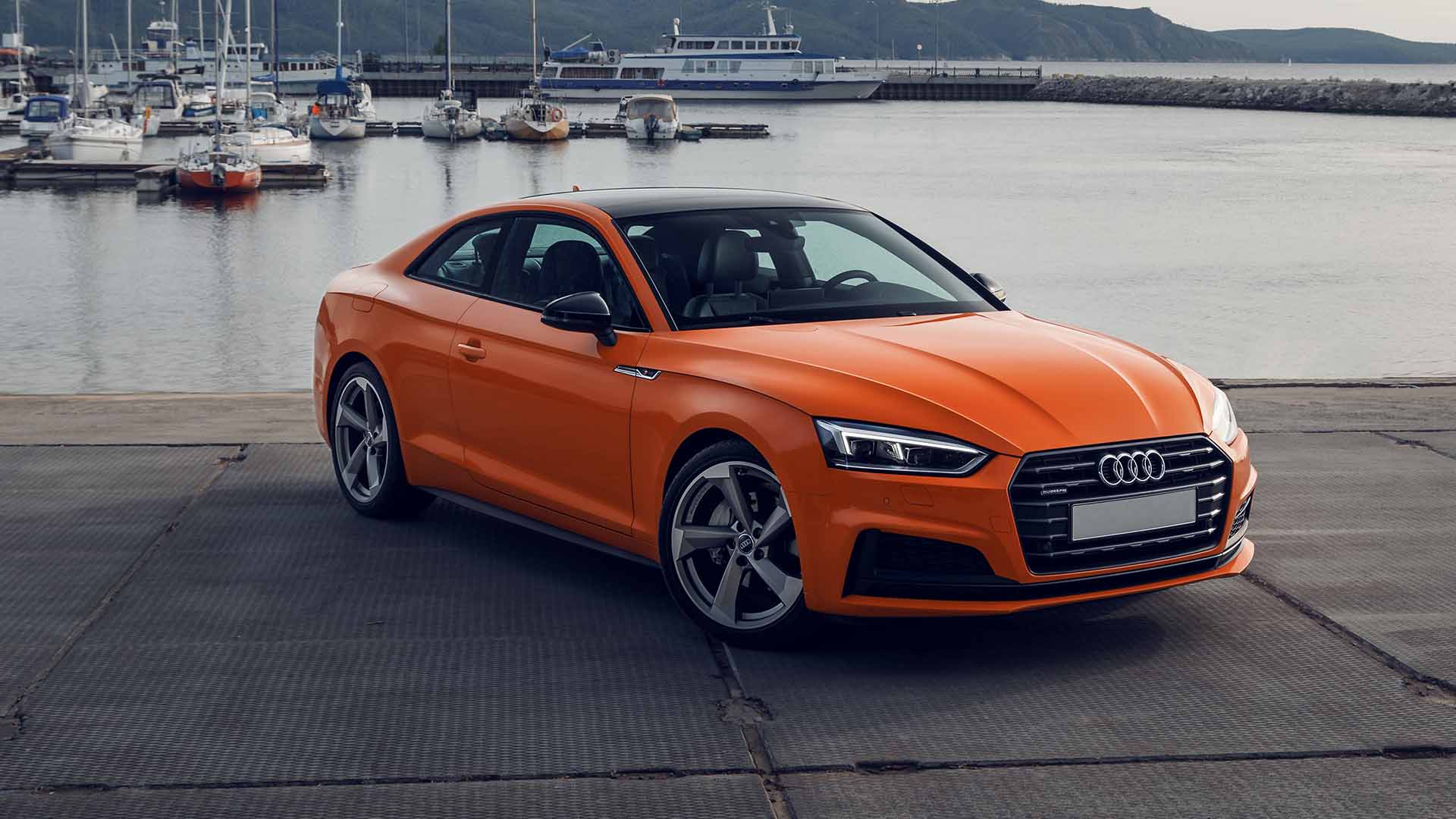
The Honda Civic is a popular choice for drivers looking for a used hatchback with reliability, practicality, and an enjoyable driving experience. It offers more space than a small city car, making it a good option for commuters, families and drivers who want a dependable everyday vehicle with strong build quality.
If you are considering finance on aHonda Civic, it is important to consider the full cost of ownership alongside your monthly car finance payments. Factors such as insurance, servicing, fuel costs, tyres, brakes and maintenance can vary depending on the engine, trim level, mileage and specification. Sportier versions may offer stronger performance but can have higher insurance and running costs.
Before applying for used Honda Civic finance, check the vehicle’s service history, MOT record, mileage, tyre condition, brake wear and previous maintenance. A well-maintained example with a clear history can help provide better long-term value and reduce the risk of unexpected repair costs.
For wider budgeting, our guide to car ownership and servicing costs explains the expenses to consider beyond your finance agreement. You can compare more models to the Civic on the Honda finance page. To get an estimate of you monthly repayments use the finance calculator.
To apply for car finance with AutoMoney Trust, you'll usually need documents that help verify your identity, confirm your income and affordability, and validate your address. The exact documents we'll ask for will depend on your individual circumstances, but having the relevant information ready before you start your application can help make the process quicker, smoother and reduce the likelihood of delays.
You may need to provide proof of identity, such as a valid UK driving licence or passport, along with proof of income such as recent payslips or bank statements. You may be asked for proof of address dated within the last three months, as well as details of the vehicle you are looking to finance if you have already chosen one.
If you are self-employed and applying for car finance, you may need to provide additional information, such as SA302 forms, tax calculations, or business accounts, to help demonstrate your income and affordability.
The documents required can vary depending on your individual circumstances and application. Providing accurate details and having your documents available in advance can help speed up the car finance application process and reduce the need for additional requests.
The length of your car finance agreement can have a significant impact on both your monthly payments and the total cost of borrowing.
Choosing a longer finance term, such as 60 or 84 months, spreads the cost of the vehicle over a greater number of payments. This can make your monthly payments more affordable, but it may mean you pay more interest overall throughout the agreement.
A shorter car finance term, such as 36 months, usually results in higher monthly payments because the balance is repaid over a shorter period. However, paying the agreement off sooner can reduce the overall amount of interest paid, making it a potentially lower-cost option over the full term.
When choosing the right finance term, it is important to consider your budget, monthly affordability, and how long you plan to keep the vehicle. The best option is one that allows you to comfortably manage your payments without putting unnecessary pressure on your finances.
AutoMoney Trust offers car finance terms from 36 to 84 months, giving you flexibility to choose an agreement that suits your circumstances. Use our car finance calculator to compare different term lengths and understand how your monthly payments and overall costs could change before applying.
With an AutoMoney Trust hire purchase agreement, legal ownership of the car transfers to you only after you have made all of your monthly payments and paid the £10 option to purchase fee at the end of the agreement. Until then, the vehicle remains the property of AutoMoney Trust.
Although you won't legally own the car during the finance term, you are responsible for its day-to-day running costs, including vehicle tax, insurance, MOT, servicing, and maintenance. As the finance provider owns the vehicle until the agreement is complete, you cannot normally sell, transfer ownership of, or make significant modifications to the car without our permission.
It is also important to keep up with your car finance payments, as missed payments could lead to arrears and, in some circumstances, the vehicle may be at risk of repossession if the agreement is not brought back up to date.
Once you have made your final monthly payment and paid the option to purchase fee, legal ownership transfers to you, and the car becomes fully yours with no further finance obligations.
Car finance usually costs more than the car's cash price because you're paying to borrow money to purchase the vehicle. The total amount payable includes the amount borrowed, plus interest and any applicable fees charged over the term of the finance agreement, which increases the overall cost.
For example, a £10,000 car on a 60-month agreement at a representative APR may cost several thousand pounds more in total once interest and the option to purchase fee is included.
Several factors affect the total cost of car finance, including your APR, the length of your finance term, the size of your deposit and the amount you can borrow. A longer agreement can reduce your monthly repayments but will often increase the total amount of interest paid over the life of the agreement. A larger deposit or shorter term may reduce the overall cost of borrowing. If you're unable to put money down upfront, our guide to zero deposit car finance options explains how these agreements work and what to consider before applying.
Before entering into any hire purchase agreement, it is important to review the total amount payable, monthly repayments, and APR so you understand the full cost of the finance. You can also use the AutoMoney Trust car finance calculator to compare different borrowing amounts, deposits, and agreement terms to find an option that best suits your budget.
Yes, if you finance your car with AutoMoney Trust, you'll need to maintain fully comprehensive insurance for the entire duration of your hire purchase agreement. This is because the vehicle remains the property of AutoMoney Trust until you've made your final repayment and ownership transfers to you.
Comprehensive car insurance provides protection against a range of situations, including accidental damage, theft, fire and third-party claims. Keeping the vehicle insured for the full duration of your agreement helps protect both you and the lender by ensuring the car remains covered throughout the finance term.
When budgeting for a financed car, it is important to consider insurance as part of your overall running costs. Fully comprehensive cover is often more expensive than third party or third party fire and theft insurance, so make sure you include this alongside your monthly finance payments, fuel, servicing, and other vehicle expenses.
Some drivers also consider GAP insurance, which can help cover the difference between your insurer's settlement value if the vehicle is written off and the remaining balance on your car finance agreement when the outstanding balance may be higher than the vehicle's market value.