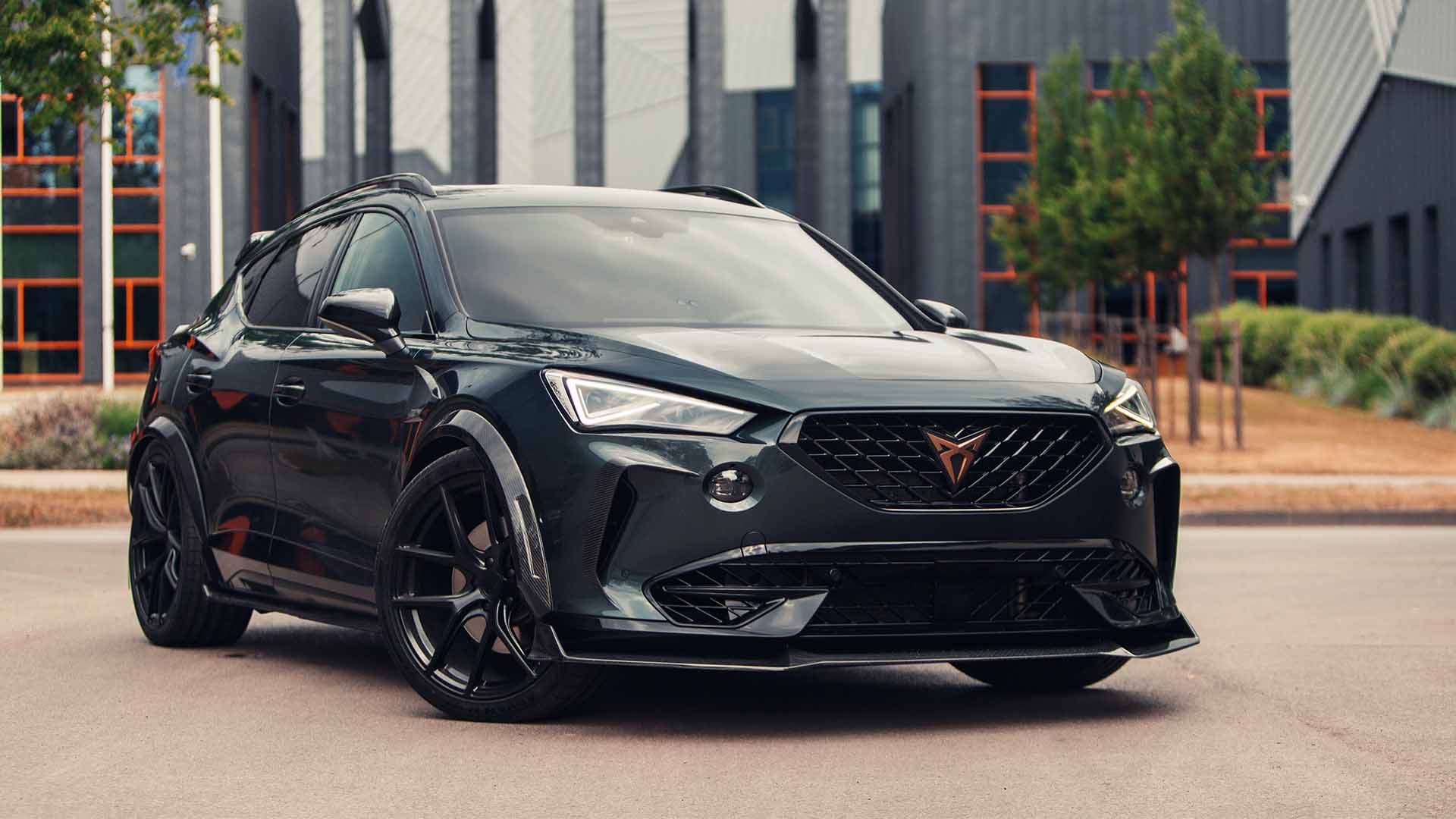
Before financing a used Cupra, check the vehicle's service history, MOT record, mileage and overall condition. You should also inspect the tyres, brakes and suspension, look for dashboard warning lights and make sure the vehicle drives as expected.
A complete service history can give you a better understanding of how well the car has been maintained. Review previous MOT results for recurring advisories or problems and check whether servicing has been completed at the recommended intervals.
As Cupra offers a number of performance-focused models, it's also worth paying particular attention to the condition of the tyres and brakes, as these can be more expensive to replace on certain models and specifications. Check for uneven tyre wear and listen for any unusual noises from the brakes or suspension during a test drive.
You should also check whether the vehicle has been modified. Changes to the engine, exhaust, suspension, wheels or other components could affect its insurance, reliability and ongoing running costs.
If you're considering a plug-in hybrid Cupra, check that the charging equipment is included and think about whether you have suitable access to charging. For a fully electric model such as the Cupra Born, consider the battery condition, expected driving range and how and where you plan to charge the vehicle.
Before applying for Cupra car finance, factor the vehicle's ongoing costs into your budget alongside the monthly finance repayment. Insurance, fuel or charging, road tax, servicing, tyres, maintenance and potential repairs can all vary depending on the model and specification.
If you're unsure about the condition or history of a particular used Cupra, you may also want to arrange an independent vehicle inspection or vehicle history check before buying.

The main difference is that with Hire Purchase (HP) you own the vehicle at the end of the agreement, whereas Personal Contract Purchase (PCP) includes an optional final balloon payment if you want to keep the car.
With Hire Purchase, you repay the full value of the vehicle through fixed monthly payments and become the owner once all payments and any option to purchase fee have been paid.
With PCP, monthly payments are usually lower because you are paying towards only part of the vehicle's value. At the end of the agreement, you can pay the balloon payment also known as a final payment) to keep the vehicle, return it, or choose another available option.
One of the main differences between HP and PCP finance is how ownership and mileage work. PCP agreements often include annual mileage limits and potential charges if the vehicle exceeds the agreed mileage or is returned with damage outside normal wear and tear. Hire purchase does not usually have mileage restrictions, making it a popular option for drivers who want flexibility and the certainty of owning the vehicle at the end of the agreement.
AutoMoney Trust offers hire purchase car finance only, providing customers buying used cars a straightforward agreement, fixed monthly payments, and the reassurance that they can own their vehicle once the agreement is completed.
Yes, an AutoMoney Trust hire purchase agreement includes a £199 admin fee as well as a £10 option to purchase fee, which is paid alongside your final monthly payment if you decide to keep the vehicle at the end of your agreement. This fee allows ownership of the car to transfer to you once all payments have been completed.
All applicable fees are clearly explained in your car finance agreement, so you can understand the costs involved before entering into a hire purchase agreement.
Additional charges may apply if payments are missed, including reminder letter fees or default interest. These charges are designed to cover the costs associated with managing missed payments and are detailed in our arrears fees and default interest schedule.
Unlike some finance providers, AutoMoney Trust does not charge early repayment fees if you choose to settle your agreement ahead of schedule. If you are considering paying off your car finance early, you can contact us to discuss your options and understand any settlement figure that may apply.
Yes, if you finance your car with AutoMoney Trust, you'll need to maintain fully comprehensive insurance for the entire duration of your hire purchase agreement. This is because the vehicle remains the property of AutoMoney Trust until you've made your final repayment and ownership transfers to you.
Comprehensive car insurance provides protection against a range of situations, including accidental damage, theft, fire and third-party claims. Keeping the vehicle insured for the full duration of your agreement helps protect both you and the lender by ensuring the car remains covered throughout the finance term.
When budgeting for a financed car, it is important to consider insurance as part of your overall running costs. Fully comprehensive cover is often more expensive than third party or third party fire and theft insurance, so make sure you include this alongside your monthly finance payments, fuel, servicing, and other vehicle expenses.
Some drivers also consider GAP insurance, which can help cover the difference between your insurer's settlement value if the vehicle is written off and the remaining balance on your car finance agreement when the outstanding balance may be higher than the vehicle's market value.
No, AutoMoney Trust does not charge early repayment fees on its hire purchase finance agreements, meaning you can complete your car finance settlement without paying additional penalty charges.
Whether you want to pay off your finance early, reduce your monthly commitments or sell your vehicle, settling your agreement ahead of schedule can provide greater financial flexibility and may reduce the overall cost of borrowing. To better understand how interest affects the total amount you repay, read our guide on what APR means in car finance.
If you're considering early settlement on car finance, you may be entitled to an interest rebate. Under the Consumer Credit Act 1974, customers who repay their hire purchase agreement early generally do not pay all of the interest that would have been charged over the remaining term. This reduces the total amount payable compared with continuing your monthly repayments until the end of the agreement.
If you would like to arrange a car finance settlement, you can request a settlement figure from AutoMoney Trust. This shows the total amount required to repay your finance agreement in full, taking into account any applicable interest rebate. Your settlement figure is valid for 28 days, giving you time to review the amount and decide whether early settlement is right for you.
Settlement policies can vary between lenders. While AutoMoney Trust does not charge early repayment fees, some providers may apply early settlement charges or calculate interest rebates differently. Before choosing to pay off your car finance early, always check the terms of your agreement and understand how your settlement amount has been calculated.
If you are considering a car finance settlement because you want to sell a financed car or part exchange your vehicle, our guide on Selling a Financed Car explains the process, what happens with outstanding finance, and the options available.