Author
Last updated and reviewed - 20 August 2026
Can I Modify a Car on Finance?
You may be able to modify a car on finance, but you should check your finance agreement and get permission from your lender before making any changes. With agreements such as hire purchase (HP), the finance company owns the vehicle until the final repayment has been complete, so modifications may be restricted or require prior approval.
This includes changes such as alloy wheels, remapping and other cosmetic or performance modifications. This guide covers what counts as a modification, what your agreement is likely to say, and what it means for insurance and for selling the car later.
If you're wondering "can you modify a car on hire purchase", you should not modify a financed car without first checking your finance agreement and getting permission from your lender where required. Under hire purchase and PCP, the finance company owns the vehicle throughout the agreement, so there may be conditions restricting modifications or requiring the lender's permission before changes are made.
This does not mean every change is off the table. Some modifications are far more likely to be approved than others:
The safest approach is always to check your specific agreement and contact your lender before making any change, however small it might seem, including for modifications in the lower risk category.
When you contact your lender, it helps to be specific: explain what the modification is, why you want it, who will be fitting it, whether your insurer has been informed, and confirm it will not affect the car's safety or reduce its value. Get any approval in writing and keep a copy with your agreement documents.
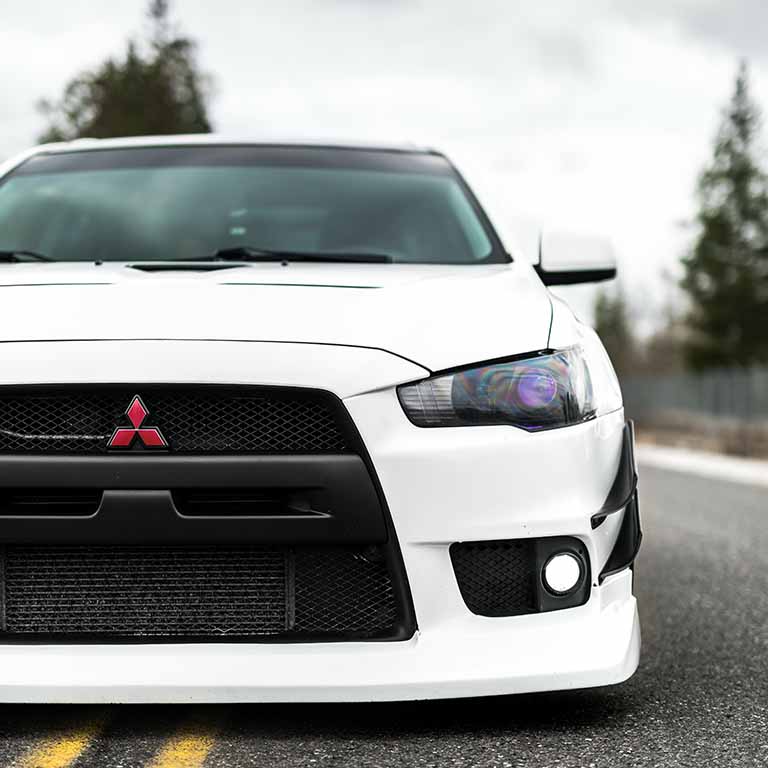
A car modification is generally a change to a vehicle that alters it from its original or standard specification. Modifications can be cosmetic, practical, performance-related or structural, with not all of them carry the same level of risk.
Examples include:
Yes, and this applies regardless of whether the car is on finance. Any modification, even a relatively minor one like alloy wheels or tinted windows, must be declared to your insurer. Undeclared modifications can invalidate your policy entirely, meaning a claim could be refused even for something unrelated to the modification itself.
Performance modifications in particular tend to increase insurance premiums, sometimes significantly, because they can affect the car's value, its likelihood of being stolen, and the cost of repairs. Before making any modification, it is worth getting a quote from your insurer with the modification declared, so you know the real cost before going ahead.
Comprehensive insurance, correctly declared, is required throughout a hire purchase agreement. See: You'll need comprehensive insurance.
Making modifications without permission could breach the terms of your finance agreement if your lender requires approval for the change.
The consequences depend on what the modification was and how the lender finds out, often at the point the car is returned, sold, or part-exchanged.
For more on the consequences of breaching your finance agreement, see the section "What happens if I break the terms of my finance agreement?" in our guide on can someone else drive my financed car.
Buying a car that already has modifications is different from modifying the vehicle after entering into a finance agreement. The car's condition at the point of purchase is what the finance agreement is based on, so existing modifications are part of the vehicle as financed, not a breach of the agreement.
What does matter is making sure any existing modifications are declared on your insurance from day one, and that the modified value of the car (which can be higher or lower than standard, depending on the modification and buyer demand) is reflected accurately when arranging cover.
If you are looking at a used car and want to check its history before financing it, including any past write-off markers, our guide on how to check if a car has been written off covers what to look for.
You cannot normally sell a financed car until the outstanding finance has been settled because the finance provider remains the legal owner during the agreement.
If you have made modifications to a financed car and want to sell or part-exchange it before the agreement ends, the modifications become part of what the car is worth, for better or worse. Some modifications add value to the right buyer. Others, particularly anything unusual or poorly fitted, can make a car harder to sell and may reduce its value compared to a standard equivalent.
If the modified car is worth less than the outstanding finance because of the modifications, this adds to any negative equity you might already have. Our guide on selling a financed car covers how settlement and negative equity work when selling.
If modifying isn't something your current finance agreement allows, or you are looking to buy a car that already suits how you want it, AutoMoney Trust offers hire purchase finance from £4,000 to £25,000 over 36 to 84 months with no deposit required. We consider applications from people with poor credit. Check your eligibility on our apply for car finance page with a soft search that will not affect your credit file.
With an AutoMoney Trust hire purchase agreement, legal ownership of the car transfers to you only after you have made all of your monthly payments and paid the £10 option to purchase fee at the end of the agreement. Until then, the vehicle remains the property of AutoMoney Trust.
Although you won't legally own the car during the finance term, you are responsible for its day-to-day running costs, including vehicle tax, insurance, MOT, servicing, and maintenance. As the finance provider owns the vehicle until the agreement is complete, you cannot normally sell, transfer ownership of, or make significant modifications to the car without our permission.
It is also important to keep up with your car finance payments, as missed payments could lead to arrears and, in some circumstances, the vehicle may be at risk of repossession if the agreement is not brought back up to date.
Once you have made your final monthly payment and paid the option to purchase fee, legal ownership transfers to you, and the car becomes fully yours with no further finance obligations.
Yes, if you finance your car with AutoMoney Trust, you'll need to maintain fully comprehensive insurance for the entire duration of your hire purchase agreement. This is because the vehicle remains the property of AutoMoney Trust until you've made your final repayment and ownership transfers to you.
Comprehensive car insurance provides protection against a range of situations, including accidental damage, theft, fire and third-party claims. Keeping the vehicle insured for the full duration of your agreement helps protect both you and the lender by ensuring the car remains covered throughout the finance term.
Include a quote for the required comprehensive insurance in your budget. The price depends on the driver, car and policy. Allow for insurance alongside your finance payments, fuel, servicing and other running costs.
Some drivers also consider GAP insurance, which can help cover the difference between your insurer's settlement value if the vehicle is written off and the remaining balance on your car finance agreement when the outstanding balance may be higher than the vehicle's market value. GAP insurance is optional. Cover depends on the policy’s exclusions and limits and may not clear the full finance balance.
Yes, your car is likely to lose value during the finance agreement. Most cars depreciate over time, meaning they gradually lose value as they age. For most used cars, depreciation continues throughout a Hire Purchase agreement, so the vehicle is typically worth less at the end of the finance term than when it was purchased.
Depreciation is important because the total amount payable on a car finance agreement includes the amount borrowed, interest, and any applicable fees. As a result, the total amount you repay over the agreement may be higher than the vehicle's market value by the time your finance ends.
Depreciation can also increase the risk of negative equity. If you decide to settle your car finance early or sell the vehicle before your agreement has ended, the car's current market value may be lower than the outstanding finance balance. In this situation, you may need to pay the difference before the agreement can be settled.
The rate at which a car depreciates depends on several factors, including its age, mileage, condition, service history, brand, model, and market demand. Keeping your vehicle well maintained and within reasonable mileage can help preserve its value over time, although depreciation cannot be avoided completely.
Some drivers also choose to take out GAP insurance, which may help cover the difference between an insurer's payout if the vehicle is written off and the remaining balance on the car finance agreement. This can provide additional financial protection particularly during the earlier years of a hire purchase agreement, when the outstanding finance may be higher than the vehicle's market value. GAP insurance is optional and subject to policy exclusions and limits.
Yes, you can end a regulated hire purchase agreement by giving notice before the final payment falls due, while the agreement is still in place. You do not have to wait until you have paid half. You must return the car and may still owe money, including a shortfall towards half the total payable, arrears or charges for failing to take reasonable care of the car. You do not have to clear that balance before giving notice. Ask us for an itemised calculation. If you have paid more than half, voluntary termination does not refund the extra payments.